Our main objective is
to mechanistically understand, how marine microorganisms, particularly algae, bacteria, and fungi, interact and sequester carbon in the form of glycans, with a focus on relevant processes and reactions at sub-nanometer (Ångström, Å) resolution.
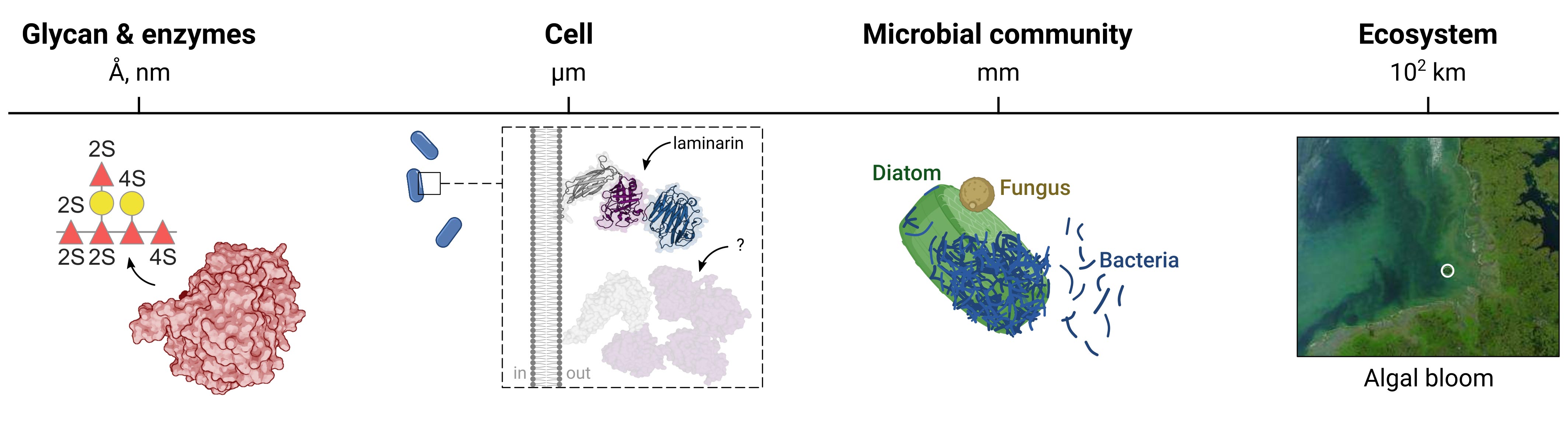
Atomic-molecular, cellular, cellular communities and at environmental, or basin scale.
CONCENTRATE is based on interlinked hypotheses spanning 14 research projects to identify unknown factors that connect glycan synthesis, microbial activity, glycan stability and marine carbon sequestration. It may be defined in two main research work areas: cellular systems (A) and molecular systems (B).
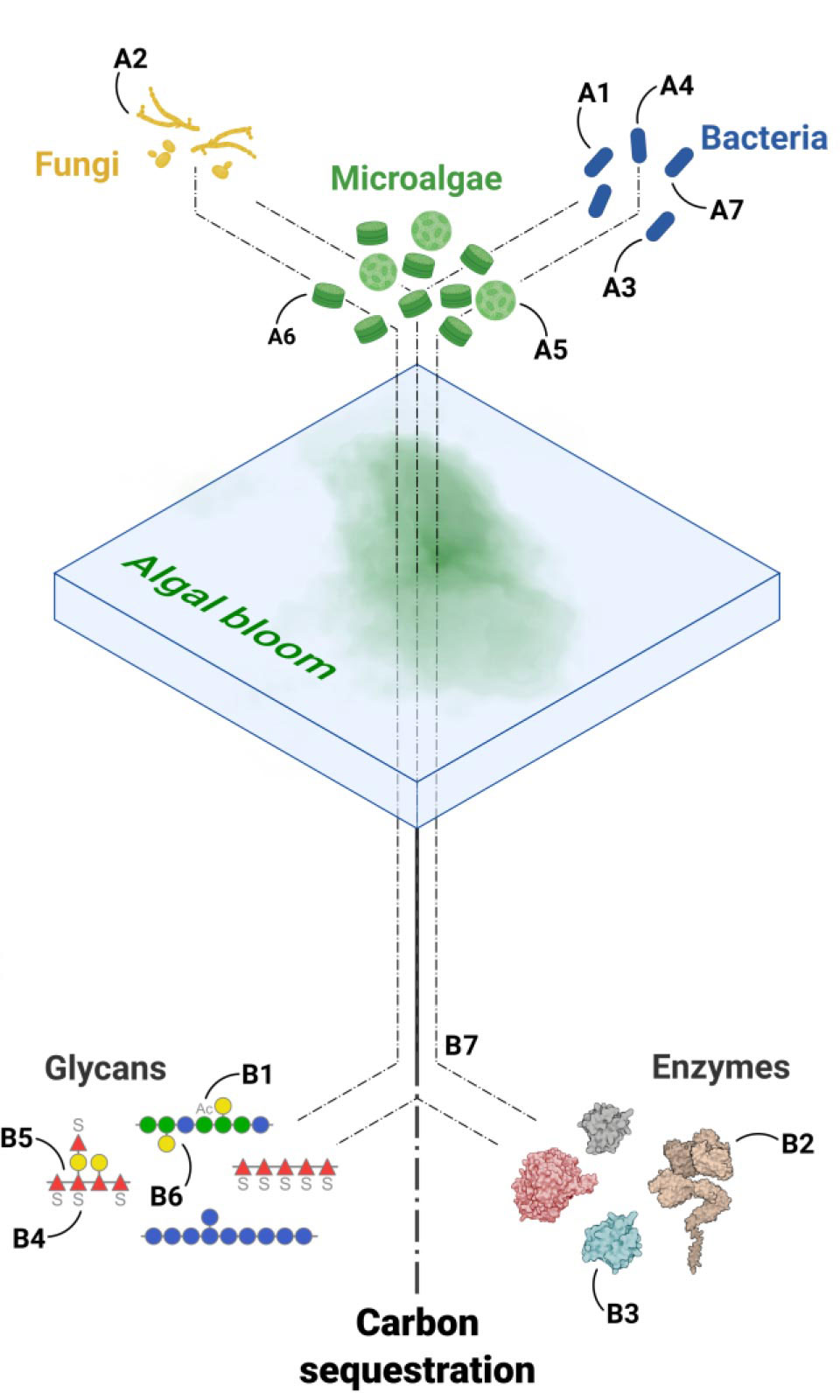
A Cellular Systems
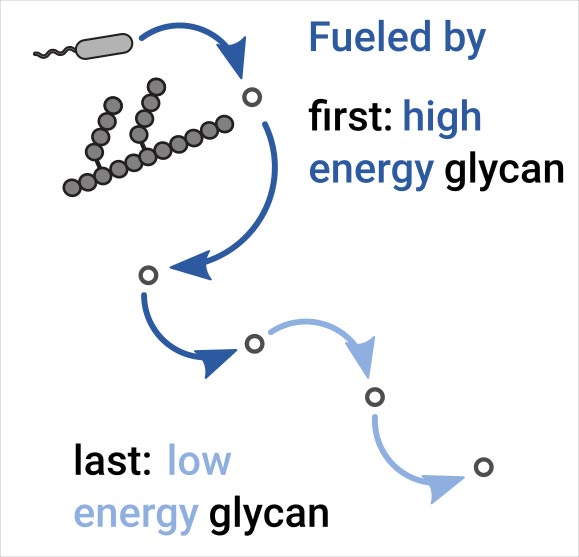
This project aims to find out how energy-rich storage polysaccharides control the cycling and sequestration of glycan carbon. It investigates the hypothesis that bacteria are preoccupied with consuming energy-rich glucose glycans, allowing more complex, relatively low-energy glycans to escape degradation and sequester carbon. We will test this hierarchical glycan utilisation by conducting experiments with different glycan types and suitable bacterial models. A1 FUEL will focus on in vitro reactions with molecular resolution to unravel how the energy content of glycans regulates the bacterial carbon cycle in situ.
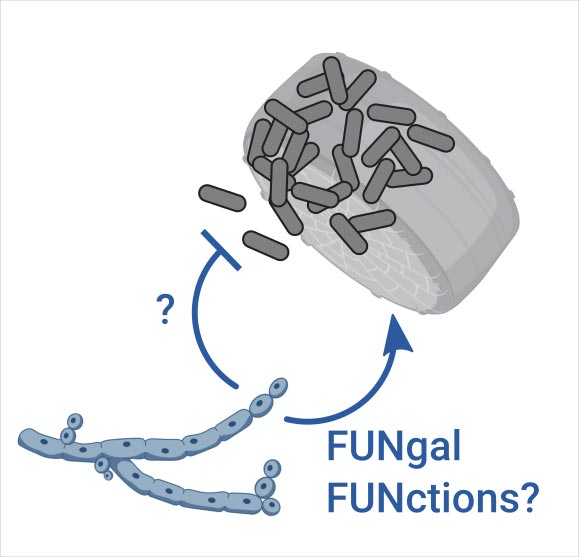
By exploring fungal interactions with bacteria and diatoms, this project aims to elucidate how fungi contribute to glycan stability and carbon sequestration in marine environments. Fungi are ubiquitous in the world’s oceans and participate in the carbon cycle from surface waters to sediments. A2 FUN will determine whether fungal interactions with bacteria and diatoms limit energy-demanding glycan utilization and enhance aggregation and sinking, and thus carbon sequestration. We will hereby include saprotrophic yeast and filamentous fungi as well as parasitic, zoosporic fungi using isolated model systems.
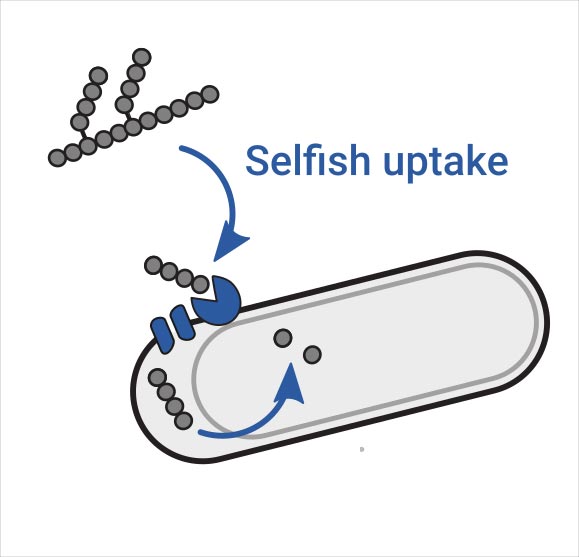
Selfish foraging, by limiting glycan availability to the microbial community, may serve as a key mechanism that influences whether glycans are stabilized and contribute to carbon sequestration in the ocean. This project aims to discover if bacterial selfish mode increases or decreases the efficiency of glycan degradation. It will determine if the selfish mechanism helps retain glycans within dissolved or particulate organic carbon pools, potentially enhancing the ocean’s ability to store carbon. A3 SELFISH will investigate the quantitative contributions of the selfish mechanism to carbon sequestration.
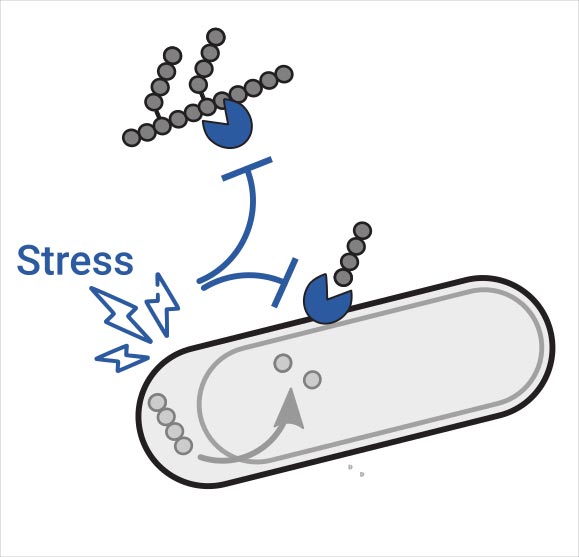
Stressed bacteria convert significant amounts of energy-rich storage glycans into protective bacterial glycans instead of metabolizing them into carbon dioxide for energy. Our hypothesis is that bacteria are induced by stress to synthesize protective glycans that contribute to carbon sequestration. By investigating how stress induces the synthesis of protective glycans, this project directly contributes to understanding the factors that promote glycan stability and carbon sequestration in the ocean. A4 STRESS will investigate the structure of bacterial protective extracellular glycans and their potential role in carbon sequestration.
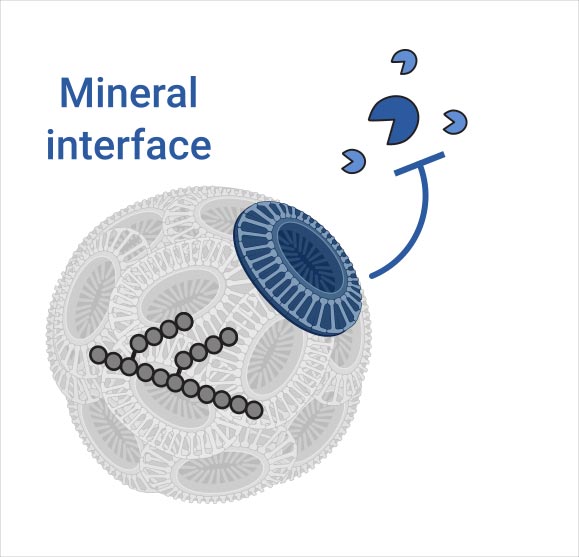
This project will investigate the role of inorganic mineral surfaces in preserving glycans from microbial degradation in the marine environment. The working hypothesis is that abiotic factors such as glycan physical adsorption to mineral surfaces and biosynthetic immobilization of glycans in microalgal biominerals play a role in rendering phytoplankton bloom glycans less available to microbial degradation. A5 CRYST will investigate whether mineral association leads to the incomplete degradation of glycans, contributing to their long-term storage and the ocean’s capacity for carbon sequestration.
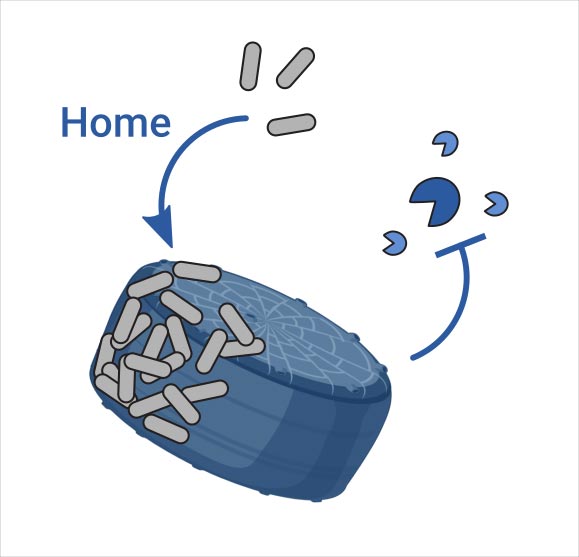
By investigating how phytoplankton-produced glycans influence microbiome assembly, this project directly addresses how glycan production contributes to carbon sequestration in the ocean. It investigates the hypothesis, that these glycan structures provide a protective zone against antagonistic bacterial colonizers, while simultaneously providing a home to selected phycosphere bacteria. Via experimental and computational analyses, A6 HOME will elucidate the genomic basis of phytoplankton glycan production that shape phycosphere microbiomes.
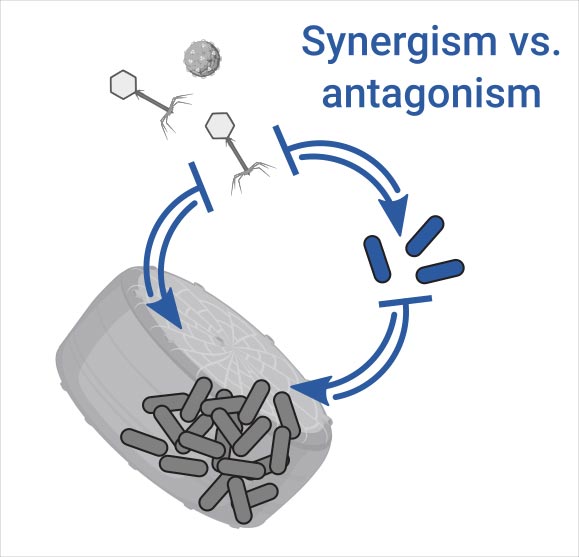
Understanding how bacterial cell growth and death influence glycan stability is crucial for identifying the mechanisms that enable glycans to resist degradation and contribute to long-term carbon storage. A7 PREY studies the influence of positive and negative interactions between bacteria, viruses and algae, to investigate selected, environmentally relevant model bacteria for synergistic and antagonistic interactions with other bacteria and algae, as well as to study the influence of phages (lysis) and plasmids (chemical warfare) as mortality factors on bacterial polysaccharide turnover that may promote carbon sequestration.
B Molecular Systems
In this project we investigate the hypothesis that chemical glycan modifications contribute to carbon sequestration by modulating the enzymatic degradation. B1 KEY builds on recent findings that algal glycans are remarkably stable during algal blooms. We will not only study model systems of enzymes and glycans but also continue to discover new enzymes involved in the degradation of algal glycans. The project’s focus on how chemical modifications protect glycans from enzymatic cascades highlights a potential mechanism for their role in long-term carbon storage.
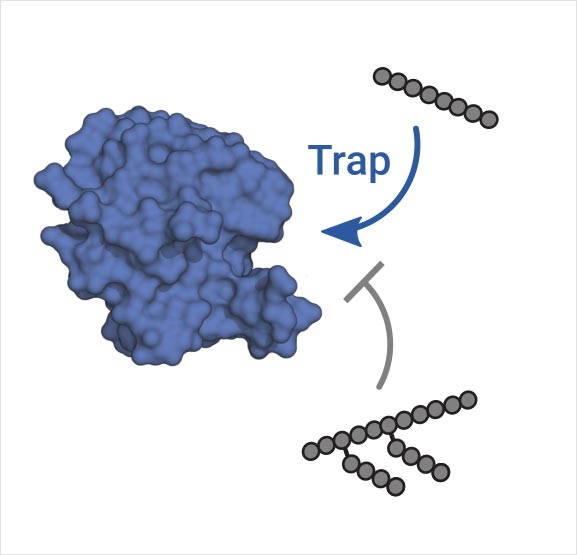
By investigating glycan-binding proteins on the surface of bacteria, this project investigates why some glycans can escape this trap and contribute to carbon sequestration. Its hypothesis is that non-catalytic glycan-binding proteins, which are the first step in glycan utilization, represent a bottleneck in substrate acquisition and therefore limit degradation. B2 TRAP aims to provide detailed insight into ligand binding and its limitations. The identification of non-binding orphans in different groups of glycans, but also of abiotic conditions that affect binding, will contribute to a better understanding of carbon fluxes in the oceans.
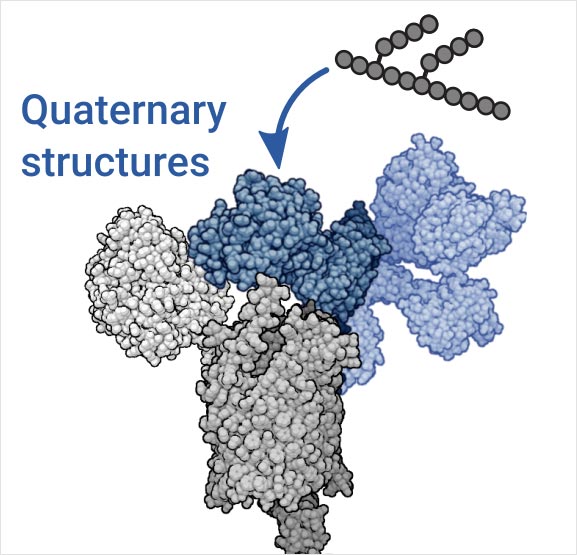
Protein complexes in marine bacteria may control the rate of glycan uptake and degradation, and thus the scale of carbon sequestration. We will elucidate how protein interactions and enzyme cascades help bacteria to cope with the extraordinary variability and complexity of algal glycans under specific marine environmental conditions. The project progresses from an examination of single protein functions to protein complexes. By investigating the structure and function of glycan-degrading protein machines, this project directly addresses the CONCENTRATE hypothesis of why some glycans resist degradation and contribute to carbon sequestration.
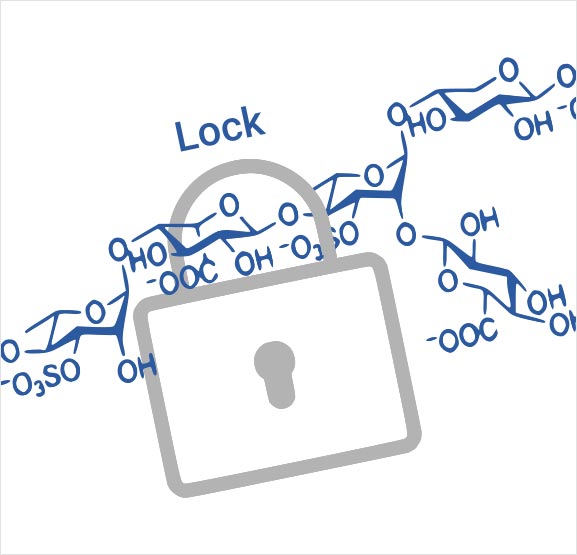
This project will answer two questions regarding the intrinsic recalcitrance of glycans, (i) which chemical structure motifs resist or slow down microbial enzymatic degradation, and (ii) does primary-produced versus bacterially-transformed organic matter result in glycans of differential intrinsic recalcitrance? Guided by the hypothesis that intrinsically recalcitrant glycans share common chemical structure motifs, B4 LOCK will characterize at molecular resolution chemical structure motifs of intrinsically recalcitrant glycans and thereby contribute to answer one of CONCENTRATE’s central overarching question, i.e., what are the unknown factors of glycan stability and degradation.
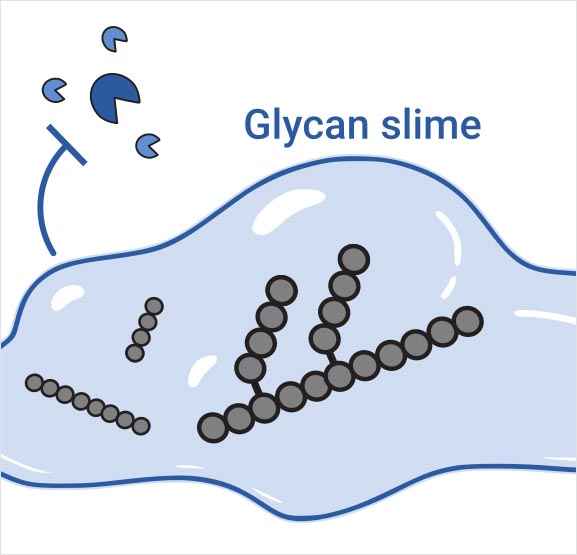
This project investigates the hypothesis that certain algal glycans aggregate bacterial proteins and other molecules. These aggregates are dense, sink and become marine sediment that stores carbon for millennia and longer. This adhesion and stabilization of organic matter via an unknown mechanism may contribute to the formation of sinking particles that export carbon into the deep ocean. Within the first four years B5 GLUE will conduct biochemical reactions between glycans and proteins to find evidence for potential cross-linking reactions.
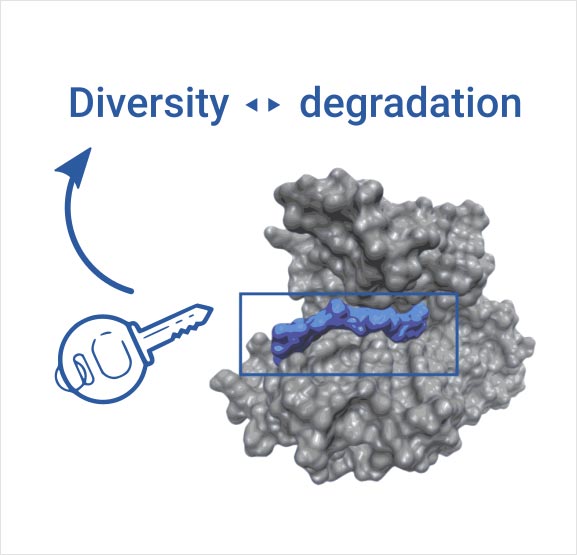
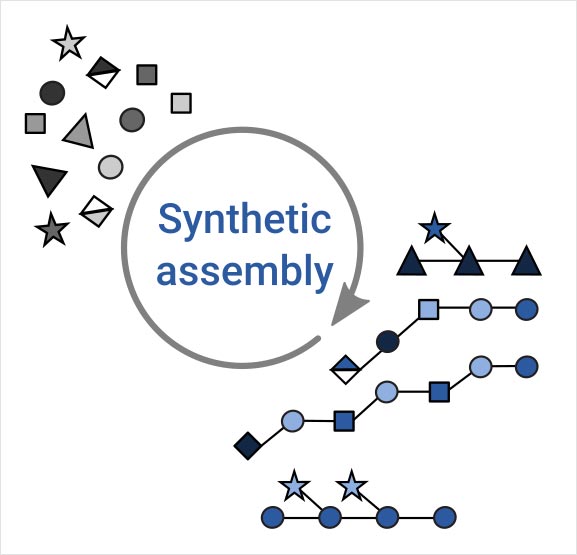
This project postulates that glycan diversity is a major unknown factor prohibiting degradation by microbial enzyme cascades and so enabling the formation of a stable carbon sink in the ocean. To investigate whether the chemical complexity of glycans can exceed that of the microbial enzymatic machineries required to degrade these carbohydrates we will synthesize diverse glycan structures in the lab and expose or challenge bacteria or enzymes with those. With these diversified structures we may find that glycan diversity and degradation by enzymes are inversely correlated and more diversity results in less degradation.
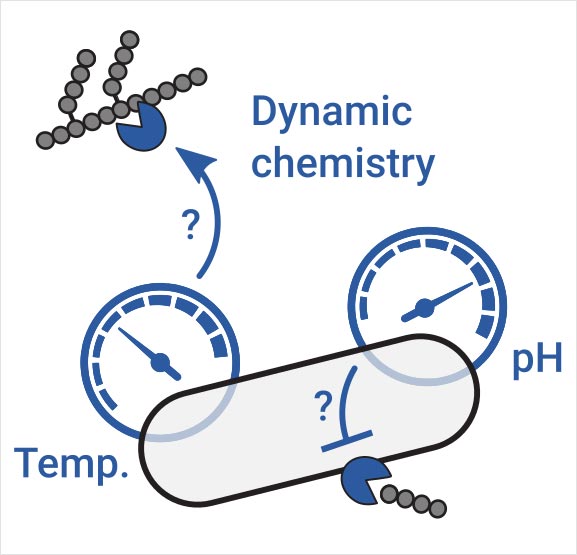
This project investigates how naturally fluctuating abiotic conditions shape the balance between glycan degradation vs. sequestration. B7 ACID concentrates on assessing dynamic physico-chemical conditions at biotic interfaces, investigating their impact on enzyme-glycan reactions and translating the test-tube results via modelling into temporally & spatially relevant dynamics at the ecosystem scale.