CONCENTRATE -
Carbon sequestration at Å resolution
CONCENTRATE stands for the biological conversion of carbon dioxide into carbon polymers that contain and concentrate this greenhouse gas in the ocean. CONCENTRATE embodies the paradigm shift that glycans are not only food for microbes but also an important carbon sink. This new paradigm requires focused research in order to address the climate change emergency.
B1
KEY – Sulfates, esters, ethers & other chemistry control the activity of enzymes
(Bornscheuer/Lammers)
B4
TRAP – Bacteria require adapted proteins to bind the right glycans
(Zühlke)
B5
GLUE – Glycans cross-link and precipitate bacterial proteins in the ocean
(Hehemann)
B6
SYNTH – Synthetic glycan diversity can exceed bacterial innovation
(Seeberger)
A5
CRYST – Inorganic minerals protect glycans from microbial degradation
(Scheffel/Friedrich)
A6
HOME - Glycans protect eukaryotes against bacteria and shape the microbiome
(Bengtsson/Hoff)
A2
FUN – Fungi impact glycan sequestration via interactions with bacteria and diatoms
(Klawonn/Reich)
A1
FUEL - Glycan energy controls carbon flow in microbiomes
(Schweder)
B2
TRAP – Bacteria require adapted proteins to bind the right glycans
(Zühlke)
A3
SELFISH – Selfish bacteria limit glycan carbon sequestration
(Reintjes)
B7
ACID – Basic chemistry at interfaces controls glycan degradation
(Roggatz)
A4
STRESS – Stressed bacteria contribute to sequester glycan carbon
(Fuchs)
B3
SPACE – Quaternary structures of protein machines that utilize glycans
(Rappsilber/Schweder)
A7
PREY – Synergism, antagonism & mortality in a seasonal context
(Amann/Teeling)
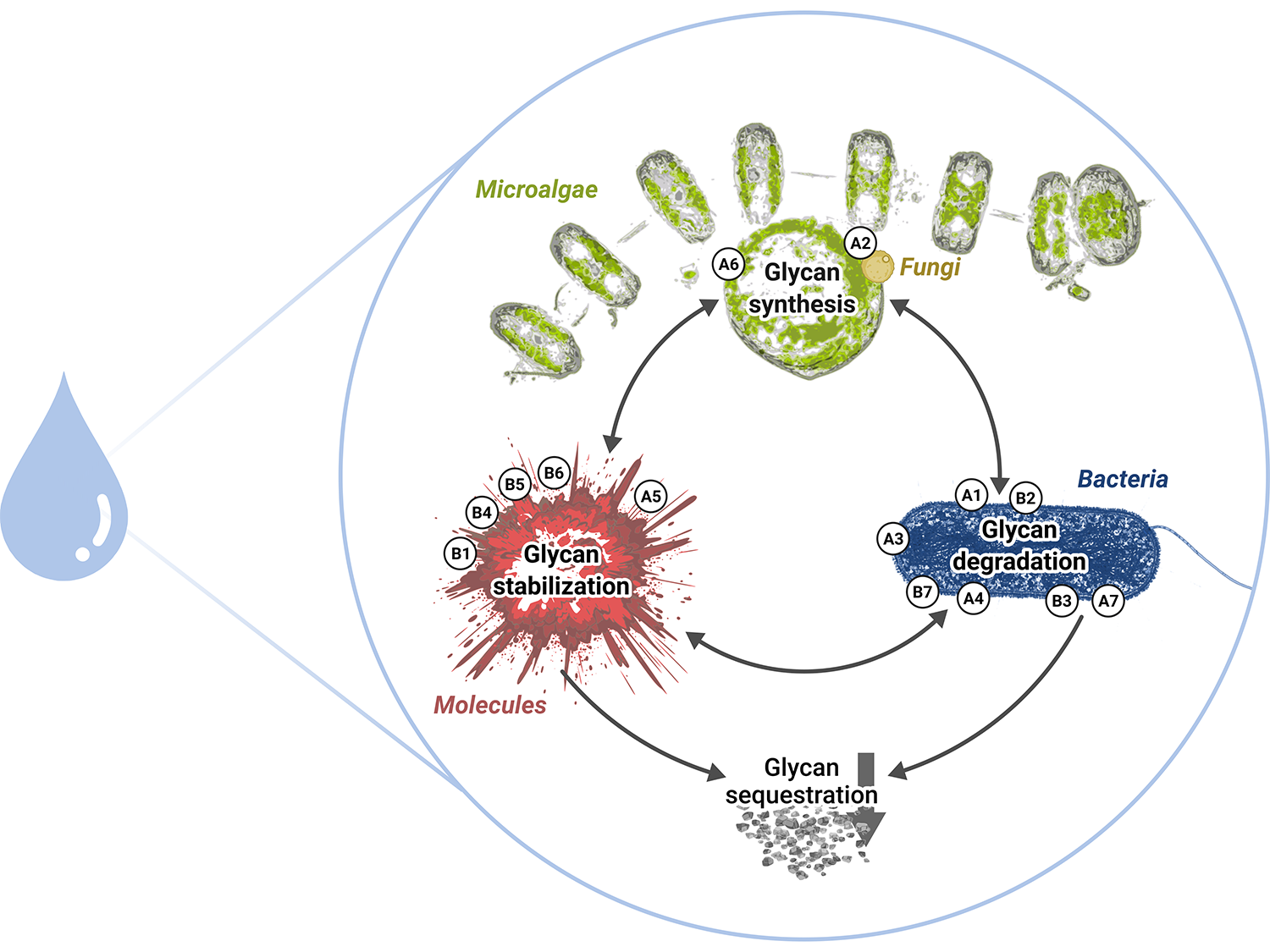
The TRR420 investigates the role of glycans in a fundamental marine process, termed carbon sequestration, that regulates the amount of carbon dioxide in the atmosphere and contributes to a stabilized climate. By switching between the test tube and the sea, we will iteratively decouple the complexity of glycan turnover until we mechanistically understand the underlying processes at organismic and molecular level.
Yet, surprisingly, we find enormous amounts of glycans accumulating in the global oceans, suggesting there are unknown factors that stabilize glycan structures. Our main objective is to mechanistically understand, how marine microorganisms, particularly algae, bacteria, and fungi, interact and sequester carbon in the form of glycans, with a focus on relevant processes and reactions at sub-nanometer (Ångström, Å) resolution.
Marine algae annually convert about five times as much carbon dioxide into structurally diverse glycans as modern human society emits by burning fossil fuels. Bacteria possess thousands of enzymes to degrade these glycans, converting the captured carbon back into carbon dioxide.
This transregional CRC is supported by the German Research Foundation (DFG) and connects an interdisciplinary team of around 70 people from the University of Greifswald, the University of Bremen, the Max-Planck Institute for Marine Microbiology, the Leibniz-Institute for Baltic Sea Research Warnemünde, the Technical University Berlin and the Max-Planck Institute for Colloids and Interfaces.
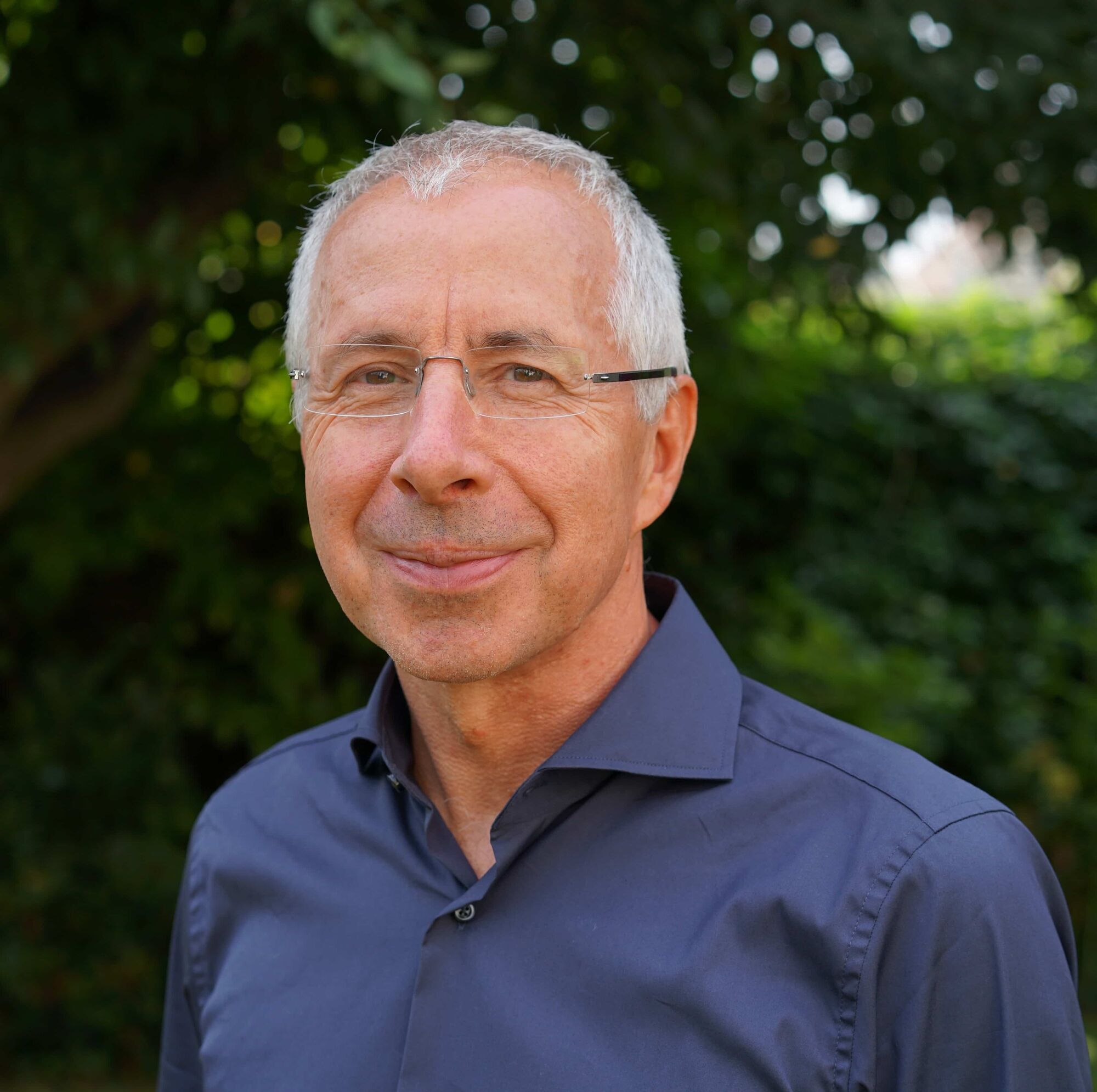
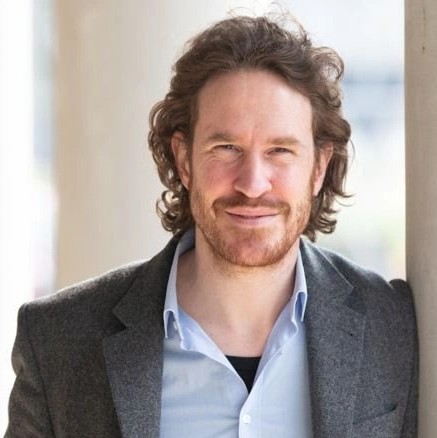
Spokesperson
Spokesperson
Early career representative
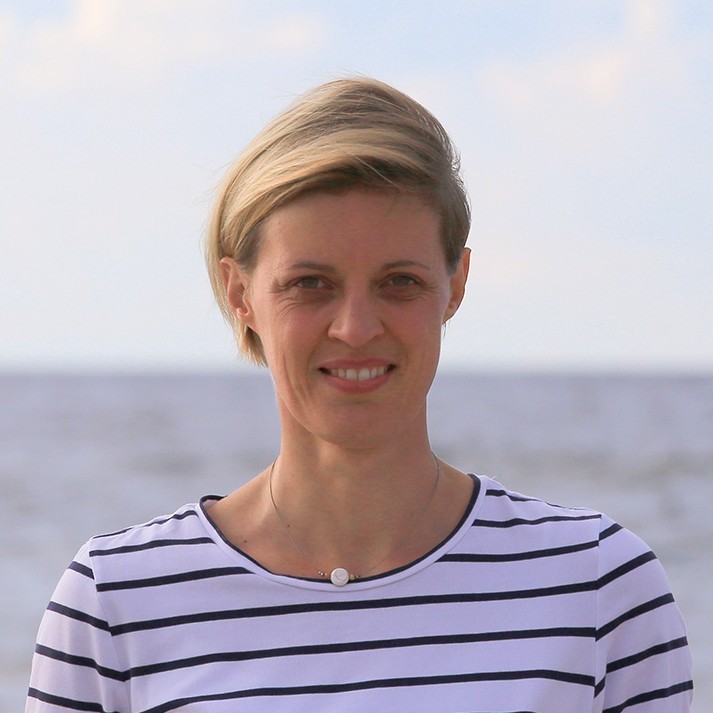
Teaching Officer
Research data management

Equal opportunity officer
Student representative
Student representative